







Search Results for: Three Major Regions

A Beginner's Guide to Specialty Coffee Beans: Finding the Right Pour-Over Beans for Newcomers Through the Flavors of Three Major Regions
Newcomers who have just stepped into the world of specialty coffee often feel overwhelmed by the dazzling array of coffee beans and don't know where to start. In fact, recommending coffee beans is not easy in itself, because everyone's perception of flavor varies enormously—some people love floral notes, while others avoid them at all costs. Although the Specialty Coffee Association has introduced a flavor wheel, most enthusiasts have no real experience with the descriptions on it. Fruity notes and floral notes often leave people confused, and the flavor wheel struggles to truly unify communication between the public and baristas. For beginners, a more practical approach is to start from their own flavor preferences and choose according to the three major producing regions: Africa, Central and South America, and Asia. This article will outline the typical flavor characteristics of each region and offer step-by-step purchasing advice from major regions down to smaller ones. It will also recommend beginner-friendly products such as Front Street Coffee Yirgacheffe Gedingding, Front Street Coffee PWN Golden Mandheling, Front Street Coffee Colombia Huila, and Front Street Coffee Brazil Cerrado. [more…]
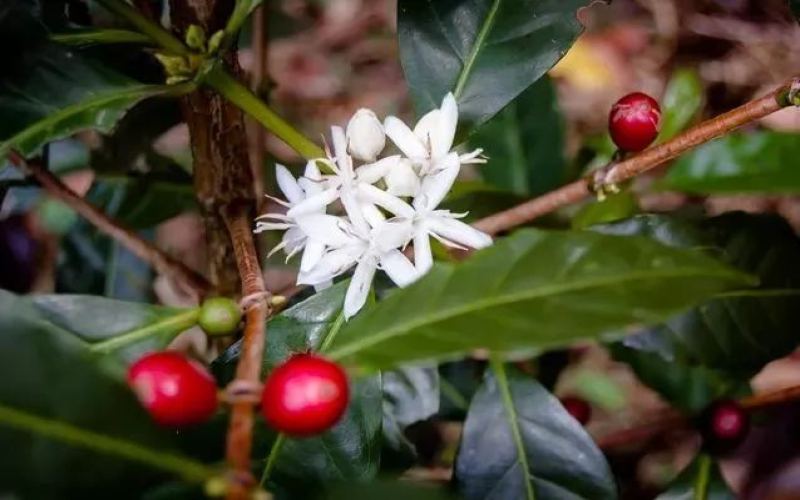
Ethiopian Coffee Heirloom Variety Flavor Analysis: A Full Overview of Three Major Varieties and the Yirgacheffe and Sidamo Regions
The coffee world is vast and complex, but ultimately it comes down to three native species: Arabica, Robusta, and Liberica. As the birthplace of coffee, Ethiopia has nurtured countless undiscovered varieties, collectively known as "heirloom varieties," and is renowned worldwide for its two specialty regions: Yirgacheffe and Sidamo. From the perspective of Front Street, this article systematically outlines the characteristics and differences of the three major species, provides an in-depth introduction to the most famous of Ethiopia's nine major regions—Yirgacheffe and Sidamo-Hambela—analyzes the flavor differences brought about by washed and natural processing, and includes Front Street Coffee's brewing parameters and purchasing advice, taking you on a comprehensive journey through the endless charm of Ethiopian coffee. [more…]
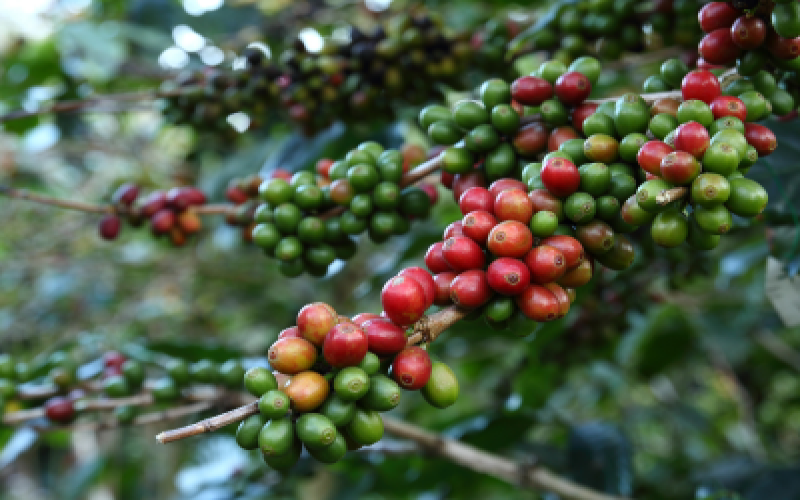
Specialty Pour-Over Coffee Bean Buying Guide: Flavor Characteristics of the Three Major Producing Regions—Asia, Africa, and Latin America—and Front Street Brand Recommendations
The cultivation regions for specialty coffee span numerous countries around the globe and can be grouped geographically into three major areas: Asia, Africa, and Latin America. Owing to differences in altitude and climate conditions, each continent produces coffee beans with distinctive flavor characteristics. This article will begin with the flavor profiles of these three major producing regions to help coffee enthusiasts understand the unique charm of coffee beans from different origins, and recommend representative single-origin beans from the Front Street Coffee brand, including Golden Mandheling, Yirgacheffe Gutingiting, and Brazil Queen's Estate, offering purchasing references for pour-over enthusiasts. [more…]
A Complete Analysis of Jamaica Blue Mountain Coffee Regions: Three Major Regions, Grading System, and a Review of Blue Mountain No.1 Brands and Prices
Jamaican Blue Mountain coffee is one of the most prestigious coffees in the world, but do you really understand its production regions, grading rules, and brand landscape? This article starts with the three major regions of Saint Andrew, Portland, and Saint Thomas, sorts out the quality and price logic behind the BM, HM, and PM three-tier classification, and explains the traditional barrel packaging, the market role of Japan's UCC, and the brand characteristics and price rankings of Blue Mountain No. 1 coffee beans. The article also retains related recommendations from Front Street Coffee, making it suitable for enthusiasts who want to gain a deeper understanding of Blue Mountain coffee to read and save. [more…]
A Detailed Guide to Panamanian Coffee Varieties: Flavor Characteristics of Geisha and Catuai and an Overview of Three Major Producing Regions
Although Panama is a small country, it produces top-tier beans that captivate coffee lovers worldwide. This article systematically reviews the variety composition, growing conditions, and cupping performance of Panamanian coffee, with a focus on the two major varieties, Geisha and Catuai, and analyzes one by one the terroir characteristics of the three major producing regions: Boquete, Volcan Baru, and Renacimiento. Whether you are a novice just getting into specialty coffee or a seasoned enthusiast seeking origin information, you will find practical references here. Front Street Coffee will also combine cupping results to decode the classic flavor code of Panamanian coffee for you. [more…]

Beginner's Guide to Black Coffee Tasting: Flavor Characteristics of Three Major Producing Regions and Analysis of Classic Coffee Varieties
For enthusiasts who have just stepped into the world of coffee tasting, building flavor perception can start with coffees from distinctive producing regions. Coffees from the three major regions of the Americas, Asia, and Africa each have their own signature flavors, and several classic coffee beans under the Front Street Coffee brand happen to represent the typical characteristics of these regions. This article will focus on three entry-level coffees from Brazil, Mandheling, and Kenya to help readers quickly build an understanding of regional flavors, and further introduce the regional information, roast levels, suitable brewing methods, and flavor characteristics of three classic black coffees: Indonesian Mandheling, Kenyan Little Tomato, and Costa Rican Tarrazu, providing practical reference for everyday purchasing and tasting. [more…]
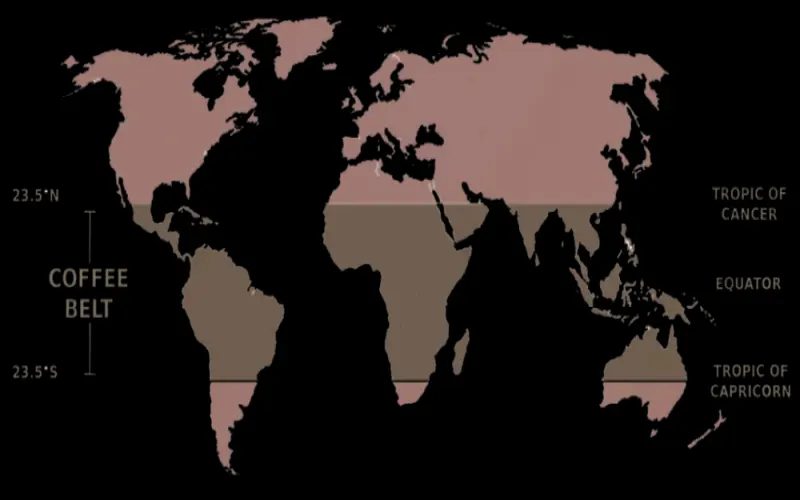
Where are the world's three major coffee-producing regions? A full analysis of the flavor differences between Latin American, African, and Asian coffee
The flavors of coffee vary enormously, and to a great extent depend on where it is grown. The global coffee-growing belt is mainly distributed across three major regions: Latin America, Africa, and Asia/Pacific. Each region, due to differences in climate, soil, and processing methods, produces distinctly different flavor characteristics. Latin American coffees are known for being balanced and mild, often with cocoa and nutty notes; African coffees are bright and refreshing, with prominent citrus and floral notes; Asia/Pacific coffees are rich and full-bodied, with distinct herbal and spicy aromas. This article systematically sorts out the flavor differences among the three major origins and recommends representative coffees from each region one by one, including Front Street Cerrado, Front Street Huila, Front Street Huakui, Front Street Little Tomato, Front Street Red Bourbon, Front Street Mandheling, and Front Street Yunnan Small Bean, helping coffee lovers quickly build an understanding of origin flavors. [more…]

Analysis of Flavor Differences and Processing Methods Across Africa, Latin America, and Asia—Three Major Coffee Regions, with a Discussion on the Development of Yunnan Coffee
When selecting coffee beans, besides checking the origin information on the packaging, understanding the basic flavor characteristics of the world's three major coffee-producing regions is also an important way to quickly find the taste that suits you. Front Street Coffee stores focus on single-origin beans, covering more than fifty coffee beans from the three major producing regions of Africa, Latin America, and Asia. Based on years of cupping experience, African regions are known for their acidity, American regions mostly present nutty and chocolate notes, while Asian regions are characterized by body and round sweetness. This article focuses on the Asian coffee-producing regions, from Yunnan, China to Indonesia and Papua New Guinea, sorting out the varieties, processing methods, and flavor characteristics of each producing country, and sharing Front Street's cupping insights on Yunnan washed beans and the Mandheling series, helping coffee enthusiasts build a clearer understanding of the regions. [more…]
A Complete Guide to Specialty Single-Origin Coffee Beans: Flavors of the Three Major Regions, Mainstream Processing Methods, and Recommended Common Varieties
Step into the world of specialty coffee, and you'll find the choices far richer than you might imagine. At just one Front Street Coffee location, there are over fifty single-origin coffees on sale, each carrying the unique character bestowed by its different origin. This article begins with the definition of single-origin coffee, explaining what traceable single-origin coffee is, then takes a deeper look at the three major factors that determine flavor—region, variety, and processing method. It then sorts through the flavor tendencies of the three major producing regions—Africa, Asia, and Latin America—and explains them in conjunction with the three common processing methods: natural, washed, and wet-hulled. The article also compiles information on the region, altitude, variety, and flavor of several representative Front Street coffee beans, for coffee lovers to use as a reference when choosing according to their taste. [more…]
A Complete Analysis of the Flavors of the World's Three Major Coffee Regions: Why Are African Beans' Floral and Fruity Notes So Enchanting?
The flavors of coffee are incredibly diverse, largely depending on the land where it is grown. The global coffee-growing belt can be broadly divided into three major regions: Latin America, Africa, and Asia/Pacific. Each region, due to differences in climate, altitude, and processing methods, nurtures a completely different flavor profile. Latin American coffees are known for their cocoa and nutty notes, with a balanced body and mild acidity; Africa, as the birthplace of coffee, often produces beans with citrus and floral aromas, bright acidity, and rich complexity; the Asia/Pacific region tends toward herbal and spicy notes, with the most prominent body. This article will go through the representative countries of each region and their flavor characteristics one by one, and include Front Street Coffee's corresponding recommended beans, helping coffee lovers build a clear regional flavor framework and find the cup that best suits their taste. [more…]
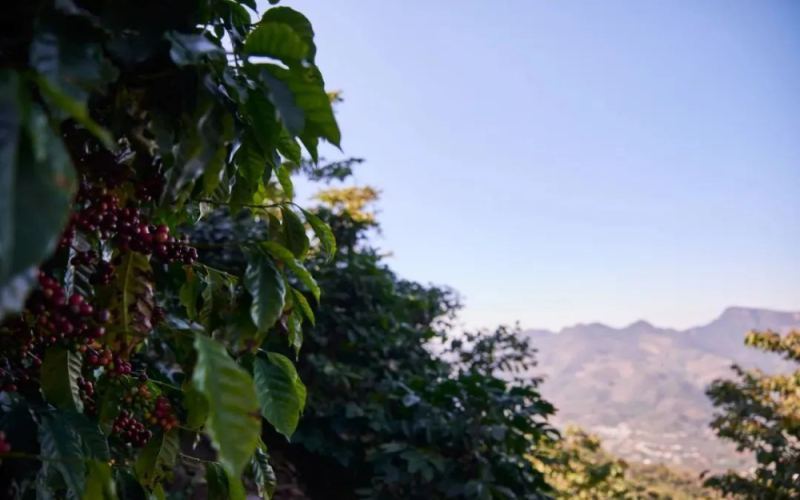
What makes Guatemalan coffee unique? A comprehensive analysis of the flavors and processing methods of eight major producing regions
Guatemala is home to over three hundred microclimates, where volcanic soil and high-altitude terrain nurture specialty coffee with distinctive flavors. From the balanced fruit acidity of Antigua to the bright fruity aromas of Huehuetenango, the eight major regions each have their own character. This article will guide you through Guatemala's coffee-growing regions, varietal characteristics, grading methods, and washed processing procedures, while also analyzing its signature flavor profile. Front Street Coffee has a particular affection for this land; the Flora coffee beans on its menu come from the Antigua region, washed processed, with a delicate flavor, and are well worth trying. [more…]

Must-read for beginners: How to choose pour-over single-origin coffee? Flavor characteristics of the three major regions and recommended representative beans
Want to get into single-origin pour-over coffee but don't know where to start? Starting from the definition and characteristics of single-origin coffee, this article systematically breaks down the flavor differences among the three major producing regions—Asia, Africa, and Latin America—and introduces the representative coffee beans worth trying from each region, including Front Street Coffee's Cerrado, Front Street Coffee's Huilan, Front Street Coffee's Flower Queen, Front Street Coffee's Little Tomato, Front Street Coffee's Red Bourbon, Front Street Coffee's Mandheling, and Front Street Coffee's Yunnan small-batch beans. Whether you're a beginner just getting into specialty coffee or a seasoned drinker looking to compare flavors across regions, you'll find the perfect cup for you. [more…]
A Complete Analysis of Varieties and Flavors from the World's Three Major Coffee Regions: Classic Coffee Bean Characteristics from Latin America to Africa to Asia-Pacific
The flavors of coffee are endlessly varied, and to a large extent depend on the region where it is grown. The world's three major coffee-producing regions—Latin America, Africa, and Asia/Pacific—each cultivate coffee beans with distinctly different styles. Latin American coffee is dominated by cocoa and nutty notes, with a balanced body and mild acidity; African coffee showcases bright acidity with citrus and floral notes, refreshing and pleasant; Asia-Pacific coffee brings herbal and spicy notes, rich and full-bodied. This article will analyze the flavor characteristics of each region one by one, and recommend representative classic coffee beans from the Front Street Coffee brand, helping coffee enthusiasts more systematically understand the taste differences among different origins and find the cup that suits their own palate. [more…]
How to Choose Coffee Bean Varieties? A Full Analysis of the Flavor Characteristics and Representative Coffees of the Three Major Producing Regions: Africa, the Americas, and Asia
Faced with the dazzling array of coffee beans on the market, many enthusiasts often don't know where to start. In fact, by simply starting from the signature flavors of the world's three major coffee regions—Africa, the Americas, and Asia—you can find the cup that suits you best. In this article, Front Street Coffee will guide you through the flavor characteristics of different regions: African beans are known for their distinctive acidity, such as the citrus-lemon notes of Ethiopia Yirgacheffe, the berry acidity of Sidamo, and the cherry tomato and smoked plum flavors of Kenya; American beans are dominated by nutty and chocolate notes, with Brazil's balanced low acidity and Colombia's smooth richness each having their own merits; among Asian beans, Indonesia Mandheling's low-acid richness and Yunnan Baoshan smallholder variety's mellow fruitiness are equally worth noting. We'll also introduce the common processing methods of each region and their impact on flavor, helping you precisely select coffee beans based on your personal taste preferences. [more…]
A Complete Analysis of the Three Major Indonesian Island Coffee Regions: Flavor Differences Between Java, Sulawesi, and Sumatra
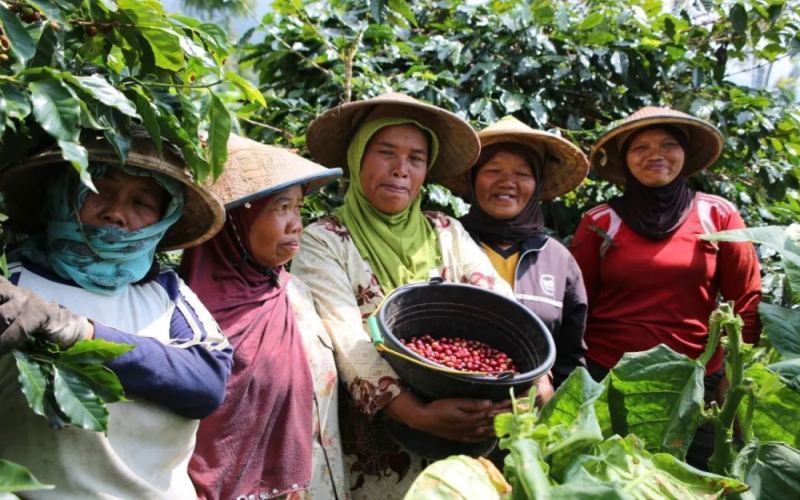
Indonesia stretches across the equator and is made up of numerous islands. Among them, the three major producing regions of Java, Sumatra, and Sulawesi, with their unique terroir, give rise to coffees of strikingly different styles. Java coffee once wrote a glorious chapter in the history of the coffee trade, and today it is known for its refined aroma and balanced delicacy; Sulawesi preserves an ancient semi-washed tradition, with a full-bodied flavor rich in layers; and the Mandheling produced in Sumatra is practically synonymous with rich, bold black coffee, with its signature wet-hulled processing method giving the coffee a steady, grounded character of wood, herbs, and earth. This article will go through the varieties, processing methods, and flavor characteristics of the three major producing regions one by one, and share Front Street Coffee's roasting approach for Mandheling, leading you to a comprehensive understanding of the diverse face of Indonesian specialty coffee. [more…]
Guide to Varieties and Flavor Characteristics of the World's Three Major Coffee Regions: From Latin America to Africa to Asia-Pacific
The flavors of coffee are incredibly diverse, largely depending on the land where it is grown. The global coffee-growing belt is mainly divided into three major regions: Latin America, Africa, and Asia/Pacific. The climate, soil, and processing methods of each region give coffee beans distinctly different characteristics. Latin American coffees are primarily characterized by cocoa and nutty notes, with a balanced body and mild acidity; Africa, the birthplace of coffee, enchants with floral and citrus-like bright acidity; coffees from the Asia-Pacific region stand out for their heavy body, with herbal and spicy notes. This article will systematically review the representative varieties and flavor characteristics of each region, and include Front Street Coffee's recommended beans from each origin, helping coffee enthusiasts gain a more systematic understanding of the geographic code behind the flavors in their cups. [more…]

Introduction to the Three Major Coffee Bean Producing Regions | What Are the Flavor Characteristics of Latin American, African, and Asian Coffee? Specialty Pour-Over Beans Recommended by Seasoned Coffee Enthusiasts
Front Street - Introduction to the Three Major Coffee Producing Regions I. Latin American Coffee: It has cocoa and nutty notes, a balanced mouthfeel, relatively low acidity, and a moderate body. Coffee beans from this region have a mild taste, and their refined flavor makes them highly regarded. 1. Brazil: Recommended Front Street Cerrado Coffee (smooth mouthfeel, with a bit of medium acidity, and also [more…]
A Complete Analysis of the Main Arabica Coffee Producing Regions: Flavor Characteristics of the Three Major Regions and Introduction of Representative Bean Varieties
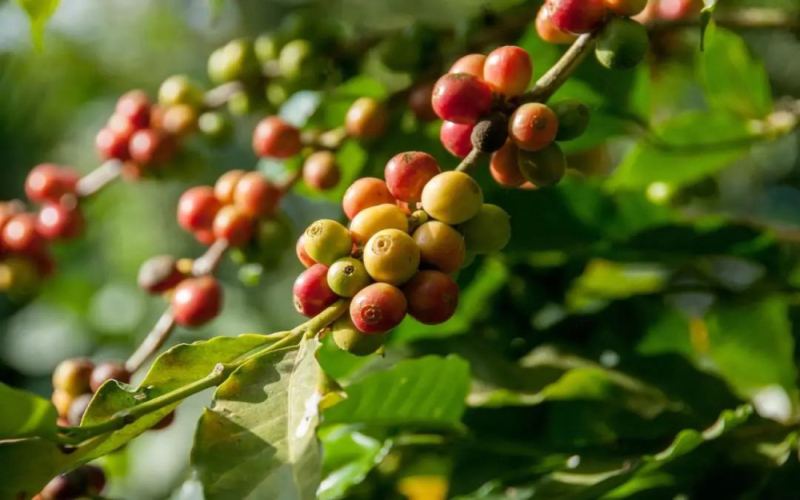
Arabica coffee accounts for more than seventy percent of global coffee production and has extremely strict requirements for its growing environment. Starting from the coffee belt on both sides of the equator, the three major producing regions of Latin America, Africa, and Asia-Pacific each nurture distinctly different coffee flavors. This article systematically sorts out the distribution of Arabica's main producing areas, introducing one by one the terroir conditions and cupping characteristics of representative producing areas such as Brazil Cerrado, Colombia Huila, Guatemala Huehuetenango, Costa Rica Tarrazu, Indonesia Sumatra, China Yunnan Baoshan, and Ethiopia Yirgacheffe, while also sharing the selection approach of the Front Street Coffee daily drinking bean series, helping coffee enthusiasts build a cognitive framework for the basic flavors of each producing area. [more…]

How to Choose Coffee Beans for Pour-Over? A Guide to Flavor Differences Across the Three Major Regions from Africa to Central and South America, with Single-Origin Recommendations for Beginners
Want to get into pour-over coffee, but overwhelmed by the dazzling array of single-origin beans? Actually, choosing beans isn't hard—the key is to first understand the flavor profiles of the three major producing regions: African beans are known for bright acidity and floral notes, Central and South American beans have a balanced mouthfeel with nutty and chocolatey tones, while Asian beans are mellow, sweet-bitter, and low in acidity. This article follows that thread, outlining the flavor differences and brewing points of representative beans sold by Front Street Coffee, such as Ethiopia Yirgacheffe, Kenya Little Tomato, Indonesia Mandheling, Colombia Huila, and Brazil Red Bourbon, to help those new to pour-over lock in a direction based on their own taste preferences and gradually transition from entry-level options to estate-grade single origins. [more…]
A Complete Guide to Guatemalan Coffee: Terroir of Eight Major Regions, Bean Characteristics, and Brewing Tips for Two Front Street Coffee Signature Selections
Guatemala is one of the most important specialty coffee-producing countries in Central America. With its high altitudes, volcanic soil, and diverse climates, it nurtures richly layered coffee flavors. This article systematically reviews the historical development of Guatemalan coffee, its bean varieties, grading standards, and processing methods, explains in detail the terroir differences among the eight major producing regions, and highlights two Antigua representatives from Front Street Coffee—Floral and Santa Clara—including their varieties, processing methods, roasting approach, and flavor profile, helping coffee enthusiasts build a complete understanding of this producing region. [more…]